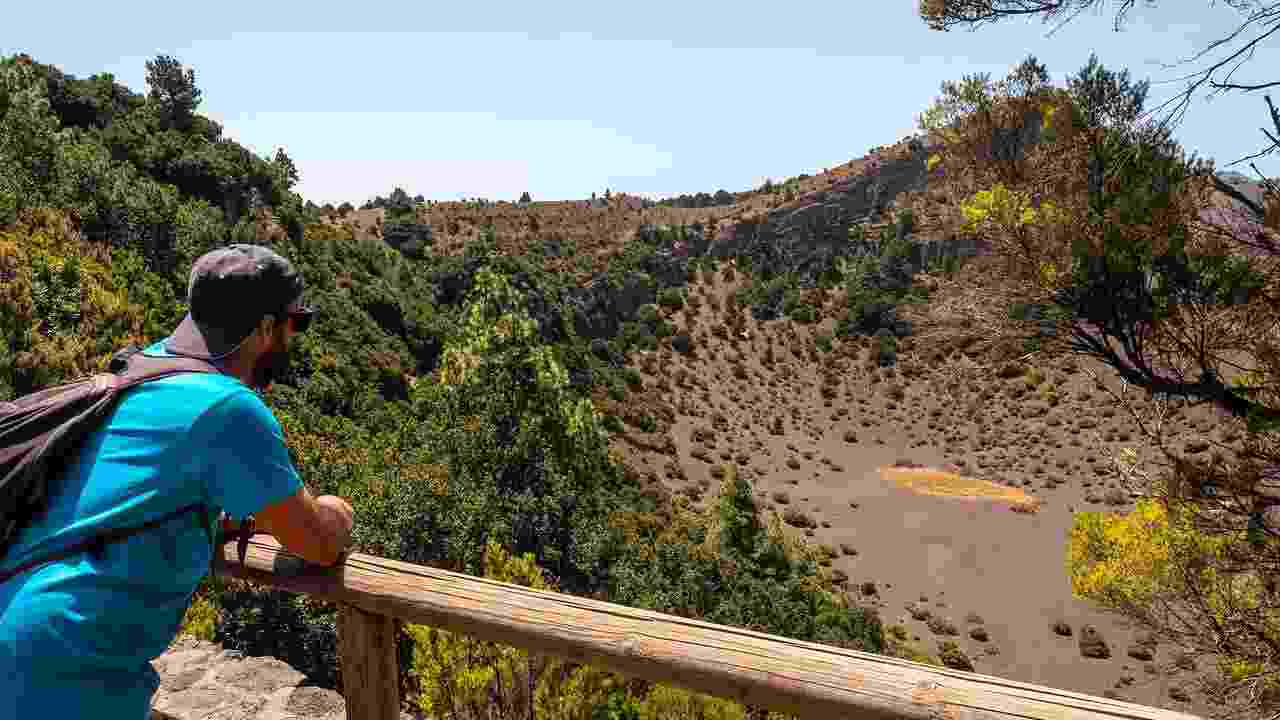
 If you’re the kind of traveler who hears the word “volcano” and thinks, “Let’s climb it,” then welcome—you’re among friends. There’s something thrilling about standing on top of a place where lava once flowed (or still does), breathing in thin, crisp air and realizing you’ve just conquered part of the Earth’s fiery skeleton.
The good news? There are still plenty of volcanoes around the world that you can legally and safely climb—no trespassing, no lawsuits, and no angry rangers. Some are dormant, others active (but monitored), and all offer epic views and brag-worthy stories.
Here are the top volcanoes you can legally summit in 2025—with your sense of adventure (and your hiking boots) in tow.
If you’re the kind of traveler who hears the word “volcano” and thinks, “Let’s climb it,” then welcome—you’re among friends. There’s something thrilling about standing on top of a place where lava once flowed (or still does), breathing in thin, crisp air and realizing you’ve just conquered part of the Earth’s fiery skeleton.
The good news? There are still plenty of volcanoes around the world that you can legally and safely climb—no trespassing, no lawsuits, and no angry rangers. Some are dormant, others active (but monitored), and all offer epic views and brag-worthy stories.
Here are the top volcanoes you can legally summit in 2025—with your sense of adventure (and your hiking boots) in tow.
1. Mount Fuji – Japan
Let’s start with a classic. Mount Fuji is Japan’s tallest and most iconic peak—and also one of the most accessible volcanoes to climb in the world. It’s an active stratovolcano, but don’t worry—it hasn’t erupted since 1707. The official climbing season is July through early September, when mountain huts are open and the trails are mostly snow-free. The most popular route is the Yoshida Trail, which can be done as a sunrise hike (aka, climb at night and reach the top for dawn). - Height: 3,776 meters (12,389 ft) - Difficulty: Moderate—long and steep, but no technical gear needed - Best for: Bucket-listers, photographers, and spiritual sunrise chasers Pro tip: Bring layers. Even in August, the summit can feel like winter.
2. Mount Batur – Bali, Indonesia
Short on time but still want that “I hiked a volcano” flex? Mount Batur is your answer. Located in northern Bali, this active volcano is famous for its sunrise treks that start in the dark and end with views of the sun rising over Lake Batur. The trail is relatively short (about 2 hours up), making it doable even for casual hikers. And let’s be honest—there’s something extra special about earning your breakfast by summiting a volcano before 8 a.m. - Height: 1,717 meters (5,633 ft) - Difficulty: Easy to moderate - Best for: Sunrise junkies, beginners, and sweaty selfies with steam vents Bonus: Many tours include breakfast eggs cooked in volcanic steam. No joke.
3. Mount Etna – Sicily, Italy
Mount Etna is Europe’s most active volcano—and yes, you can still hike it. In fact, it’s one of the only places in the world where you can walk through lava fields, feel geothermal heat underfoot, and maybe even spot a puff of smoke from a nearby crater. There are several hiking options, but to go near the summit, you’ll need to join a licensed guide. Eruptions happen, but safety protocols are strict. And let’s be honest: hiking an active volcano in Italy? Come on. That’s adventure with a side of espresso. - Height: 3,324 meters (10,905 ft) - Difficulty: Moderate to strenuous depending on your route - Best for: Geology geeks, thrill-seekers, and lovers of lava and pasta
4. Acatenango – Guatemala
Want to see a volcano erupt… from the summit of another volcano? That’s what hiking Acatenango is all about. This dormant volcano towers next to its very active neighbor, Volcán de Fuego. At night, you can watch lava bursts light up the sky while you camp above the clouds. The trek is no joke—steep, high-altitude, and usually done as an overnight. But the payoff? Insane. You’ll witness one of the most dramatic natural fireworks shows on Earth. - Height: 3,976 meters (13,045 ft) - Difficulty: Strenuous - Best for: Hardcore hikers, volcano lovers, and bucket-list campers Tip: Bring warm clothes—it gets freezing at the top.
5. Mount Tongariro – New Zealand
If “hiking across Mordor” is on your travel wishlist (and why wouldn’t it be?), then Mount Tongariro is calling. This volcano is part of the Tongariro Alpine Crossing—often called the best one-day hike in New Zealand. The route takes you past steaming vents, red craters, and surreal emerald lakes. It’s like hiking across another planet. And yes, Mount Doom from The Lord of the Rings was filmed here. - Height: 1,978 meters (6,490 ft) - Difficulty: Moderate to challenging - Best for: Landscape lovers, movie buffs, and sci-fi dreamers Note: The volcano is active, but eruptions are rare and closely monitored.